
How we work
If you’re seeing…
A culture where okay’s okay
- A new strategy struggling to land, a transformation losing direction, performance slipping, or delivery repeatedly falling short of plan.
Agreement without alignment
- False consensus, a lack of honest conversations, decisions breaking down in practice, or commitments that don’t shape how work actually gets done.
Momentum replaced by busywork
- Silos forming or hardening, a lack of collaboration, friction slowing progress, leaders and teams pursuing their own agendas, or effort being duplicated.
Losing direction at speed
- Trust in leaders and the direction is wavering, conviction is softening, talent retention is getting harder, and the organisation is fracturing under the weight of accelerating change and technology disruption.
27%
of teams understand the strategic priorities and
how their work contributes to them.
Cascade State of Strategy Report, 2026
Here’s our approach:

Exploring
Surface what’s real
Interviews and diagnostics that show where the gaps are and what’s driving them.

Engaging
Bring it into the room
Structured conversations that surface real issues and build the commitment to act.

Enabling
Make change stick
The practices, rhythms and accountabilities that make new ways of working hold.

Embedding
How the work gets done
Measurement and check-ins that track progress and keep the team accountable.
During the Exploring phase, we will build a better understanding of your needs and customise a program that fits you.
WHERE TO START
Who needs to Move as One?
For functional teams where friction is starting to cost performance.
A new strategy. A leadership change. Friction that’s been building long enough that people have started working around each other rather than with each other.
This is where the gap between what’s agreed and what actually happens becomes visible first. We work with the team directly — surfacing what’s real, running the conversations that need to happen, and building the habits that make the change hold.
It’s also a natural starting point if you want to understand the approach before taking it further into the organisation.

For business units and cross-functional teams where coordination has broken down.
A major transformation losing coherence. External pressure exposing cracks that were already there. Teams that are technically capable but not moving together.
The capability exists. The coordination doesn’t. We work across the group — diagnosing where the gaps are, running the conversations that reconnect people to shared intent, and building the rhythms that make coordination a habit rather than an occasional event.
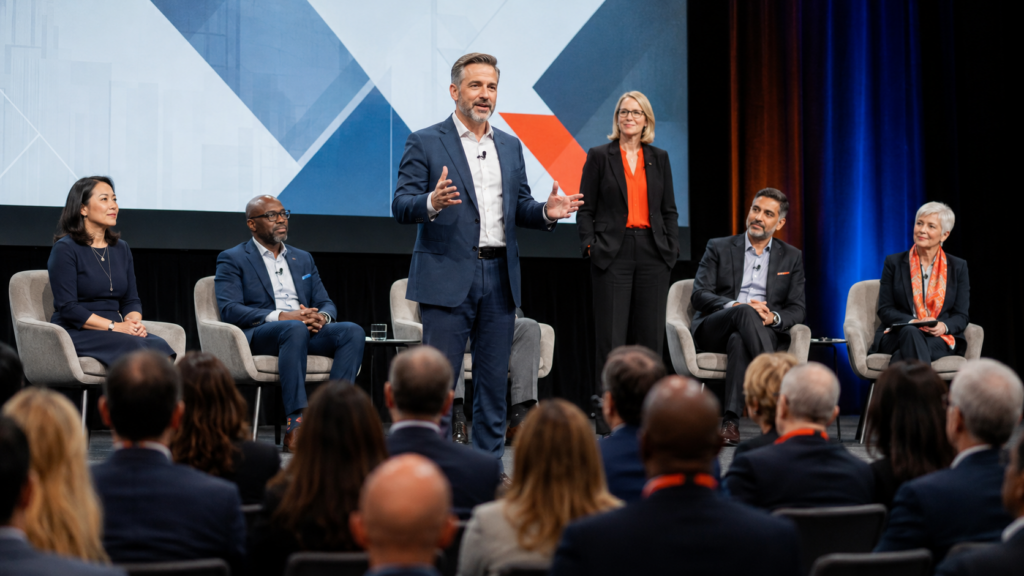
For leadership teams and boards. If the top isn’t working as one, nothing will compensate.
Leadership teams need to have the right conversations, surface issues when they arise, debate genuine disagreements, and commit collectively to the decisions they take back to the organisation.
When that isn’t happening, employees read it quickly. The cost is rarely visible until it’s significant — by which point it has typically been compounding for six to twelve months or more.
We work directly with the leadership group to surface what’s real and build the practice of working as one.

For the CEO and executive team working at the level of the whole organisation.
The trigger might be emerging silos, a period of sustained disruption, or a recognition that the gap between strategy and execution has grown too wide to ignore.
Organisations don’t drift all at once. It happens gradually — in decisions that don’t translate, in priorities that quietly diverge, in the space between what leaders say and what people actually experience. By the time it’s visible, it has usually been building for a while.
We work at the organisational level, from the executive team outward, to close the gap between intent and reality and build the conditions that make it harder for that gap to reopen.

Three global studies and years of working directly with leaders suggests this work changes how teams think, decide and move.
The organisations that do this work stop haemorrhaging time, capacity and leadership energy on symptoms.
Decisions hold, and people own them.
Execution stops stalling. The conversations that were avoided start happening.
People who were disengaging start to re-invest in the work and each other.
And when the next wave of pressure and challenge arrives, and it will, the organisation moves through it rather than fragmenting under it.
Teams that think, work and act better, together. Organisations that Move as One.